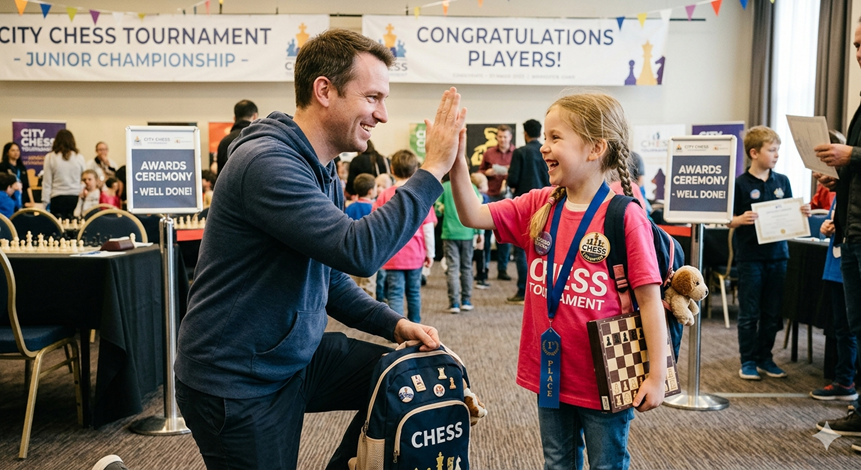
If your middle schooler has recently transitioned from fast-paced scholastic games to the “Classical” time controls of serious tournaments, you’ve likely experienced the unique parenting marathon that is the four-hour chess game. For a student navigating the academic and social pressures of middle school, these games are more than just a test of strategy; they are a grueling test of physical and mental endurance. As a parent, you aren’t just a spectator—you are the pit crew. Success at this level requires a balance of proper fuel, tactical “brain breaks,” and emotional resilience. This guide will help you prepare your child to stay sharp from the opening move to the final endgame, while ensuring they come out of the round with their confidence intact. We also include a bonus checklist for you to pack the night before.
1. The “Low-Glycemic” Fuel Plan
When a game lasts hours, a “sugar crash” is the enemy of calculation.
- The Pre-Game Meal: Aim for slow-release energy like oatmeal
or eggs. - The Side-Table Snacks: Use quiet, non-sticky foods like almonds or apple slices.
- Hydration: Remind them to sip water steadily to maintain concentration levels.
2. Managing “Brain Drain” During the Game
Focus is a finite resource for a middle schooler.
- The “Walk-About” Rule: Encourage them to stand up and walk away when it’s their opponent’s move.
- The Reset Ritual: Teach them to take three deep breaths if they feel frustrated.
3. The Emotional “Half-Time”
The “middle” of a long game is when fatigue often leads to mistakes.
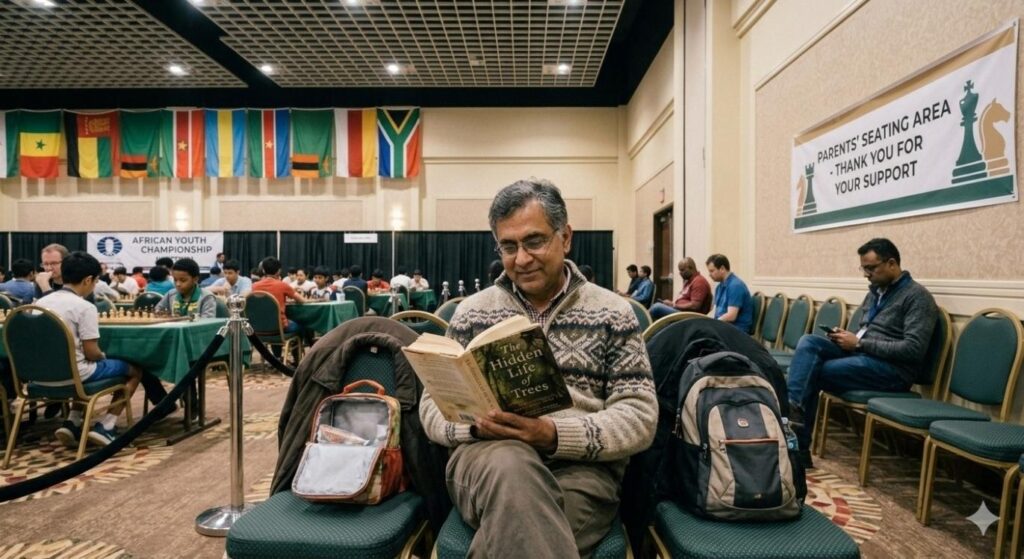
- Don’t Hover: Your child can sense your pacing. Find a “parent lounge” and stay calm.
- Post-Game Protocol: Win or lose, offer recovery time (15 minutes of “no-chess talk”) and a meal before any analysis.
4. Gear for the Long Haul
- Comfortable Layers: Tournament halls fluctuate in temperature; a hoodie is essential.
- The Scoresheet Habit: Writing moves down provides a physical beat that prevents “fast” playing.
5. Checkmate the Tech
- Digital Detox: Keep smartphones away to prevent the “mental itch” of social media from draining focus.
- Analog Entertainment: Have a book or puzzle for between rounds to stay engaged without overstimulation.
6. Posture and Physical Stamina
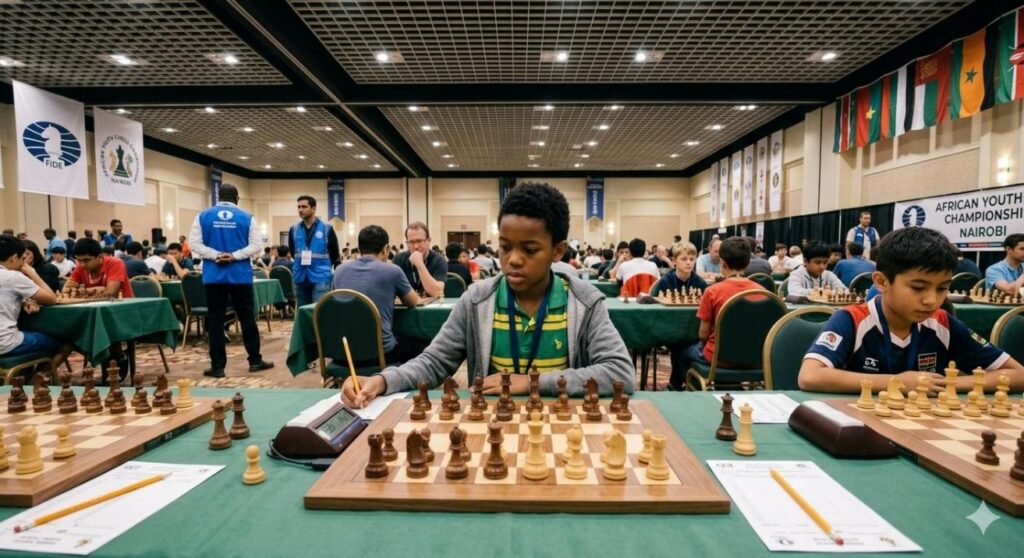
- The 90-Degree Rule: Encourage them to sit back with feet flat to maintain better oxygen flow.
- The “Oxygen Reset”: Suggest a quick bathroom break just to splash cold water on their face.
7. The “Blunder Buffer”
- The 3-Move Rule: Teach them not to judge a mistake until at least 3 moves later to maintain focus.
- Emotional Resilience: Remind them their opponent is just as
tired as they are—persistence often wins.
The Ultimate Chess Tournament Bag Checklist
1.Fuel & Hydration
- Water Bottle: Large, reusable, and leak-proof.
- Slow-Burn Snacks: Nuts or trail mix.
- Fresh Fruit: Apples or bananas.
- Protein: Protein bars, jerky, or similar snacks.
- Mints or Gum: For focus.
2. Tactical Gear
- Two Reliable Pens/Pencils: Always have a backup for notation.
- Personal Scorebook: For tracking long-term progress.
- Tournament Legal Clock: If needed (ensure batteries are fresh).
- Small Notebook: For post-game analysis notes.
3. Comfort & Focus
- Layered Clothing: Sweatshirt or hoodie (playing halls can be cold).
- Glasses/Blue Light Glasses: If used for screens.
- Earplugs or Noise-Canceling Headphones: To minimize distractions.
- Analog Entertainment: A book or physical puzzle to use between rounds.
4. Tournament Supplies
- Portable Phone Charger: For long days at the venue.
- Basic Comfort Items: Tissues and personal hygiene items.
- US Chess (or FIDE) ID Card: Digital or physical copy for registration.
- Cash/Card: For food or chess equipment vendors.
Pro-Tip: Keep the bag packed the night before to avoid pre-game stress.
Disclaimer: This checklist is for general organization and preparation purposes. It does not constitute medical or professional advice. Always be prepared with personal essentials